
The Analog Allure: A Look Back at Tech’s Golden Age
Before the omnipresent smartphone, before the cloud-connected everything, technology offered a distinctly different user experience. The late 20th and early 21st centuries saw a boom in personal electronics that defined generations. Think of the satisfying click of a cassette player, the distinct whir of a portable CD player, or the anticipation of developing photos from a disposable camera. These devices were often single-purpose, built for durability, and carried a tangible charm. They weren’t just tools; they were cultural artifacts, signaling an era of emerging personal freedom and access to media.
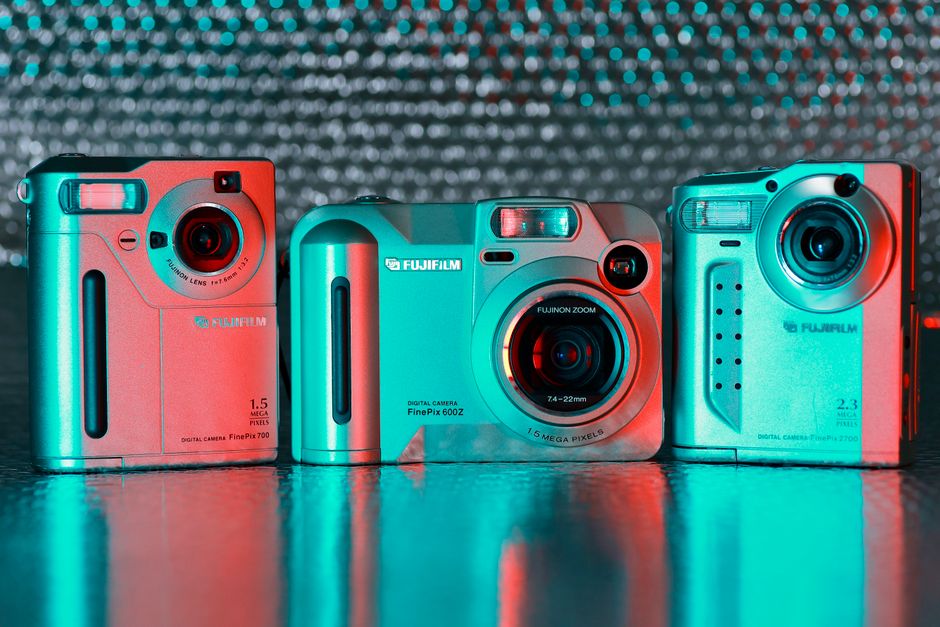
The turn of the millennium brought us flip phones – clamshell wonders that offered a novel way to communicate, combining voice calls with nascent SMS messaging. Their compact design and often vibrant colors made them fashion statements. Simultaneously, the early digital camera, or “digicam,” began to democratize photography, moving it from film to memory cards, albeit with limited resolution by today’s standards. These gadgets, once cutting-edge, gradually faded from prominence as smartphones consolidated their functions. Yet, the memories and the unique interactions they offered laid a foundation for the surprising resurgence we witness in 2026.
Retro Tech Timeline: Milestones of Resurgence
The path to retro tech’s 2026 comeback is paved with distinct generational rediscoveries. Our market analysis shows how certain devices re-entered the cultural lexicon.
| Era | Defining Retro Tech | Gen Z Appeal (2020s) |
|---|---|---|
| 1980s-1990s | Cassette Players, Walkmans | Authentic sound, nostalgic experience, physical media collection. |
| Late 1990s-Early 2000s | Portable CD Players, Pagers | Focused music listening, unique aesthetic, simplified communication. |
| Early-Mid 2000s | Flip Phones, Early Digital Cameras (Digicams) | Digital detox, unique social media aesthetic, durability, privacy. |
| 2010s-2020s | Vinyl Records (continued), Instant Cameras | Tactile experience, superior audio debate, immediate physical output. |
| 2020s (leading to 2026) | Early MP3 Players, Mini Disc Players | Specialized function, curated playlists, collectible value. |
The Legacy & Connection to 2026: Why Gen Z Embraces Yesterday
In 2026, the appeal of retro tech for Gen Z is multifaceted. Consumer reviews highlight a yearning for simplicity and a break from the relentless demands of modern smart devices. For a generation that grew up with omnipresent screens, the tactile buttons, limited functionalities, and distinct form factors of older gadgets offer a refreshing contrast. The “digital detox” movement finds a tangible expression in using a flip phone for calls and texts, leaving the infinite scroll of social media to a separate device or time.
Furthermore, aesthetics play a crucial role. Vintage digital cameras, with their distinct lo-fi quality, create a particular visual style for social media content that stands out from the highly polished, AI-enhanced images produced by flagship smartphones. This curated, slightly imperfect look resonates deeply with Gen Z’s pursuit of authenticity and individuality online. The collectible aspect is also significant, with well-preserved or refurbished retro tech fetching premium prices. This isn’t just a fleeting trend; it’s a cultural statement about how technology should integrate into – or occasionally step back from – daily life.
Mini-FAQ: Decoding the Retro Revival
What defines “retro tech” for Gen Z?
Based on user feedback and market consensus, “retro tech” for Gen Z typically encompasses devices from the late 1980s through the early 2010s. This includes items like early portable music players (cassette, CD, MP3), flip phones, disposable or early digital cameras, and even specific video game consoles from their parents’ or older siblings’ eras. The key is that these devices predate the pervasive smartphone era, offering a distinct, often simpler, user experience.
Is the retro tech comeback just a fleeting trend?
Our market analysis shows this movement is more than just a fleeting trend. While specific gadgets may wax and wane in popularity, the underlying drivers – a desire for digital moderation, unique aesthetic expression, and a connection to tangible, purpose-built items – appear to be enduring. It represents a broader shift in consumer values, valuing curated experiences and a sense of nostalgia over pure technological advancement for advancement’s sake.
The Bottom Line
The surprising comeback of retro tech, fueled predominantly by Gen Z, is a fascinating development in the 2026 tech landscape. It’s a testament to the enduring human desire for balance, authenticity, and a connection to the physical world, even amidst the most advanced digital innovations. As we move further into the decade, expect this appreciation for the past to continue shaping product design, consumer habits, and even the very definition of “cool” in the tech world.